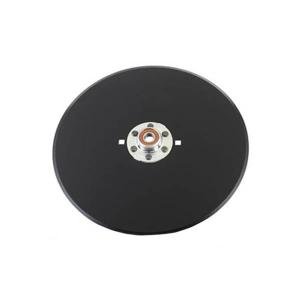
198220 Pressure Wheel Vaderstad (Royal Tiger)
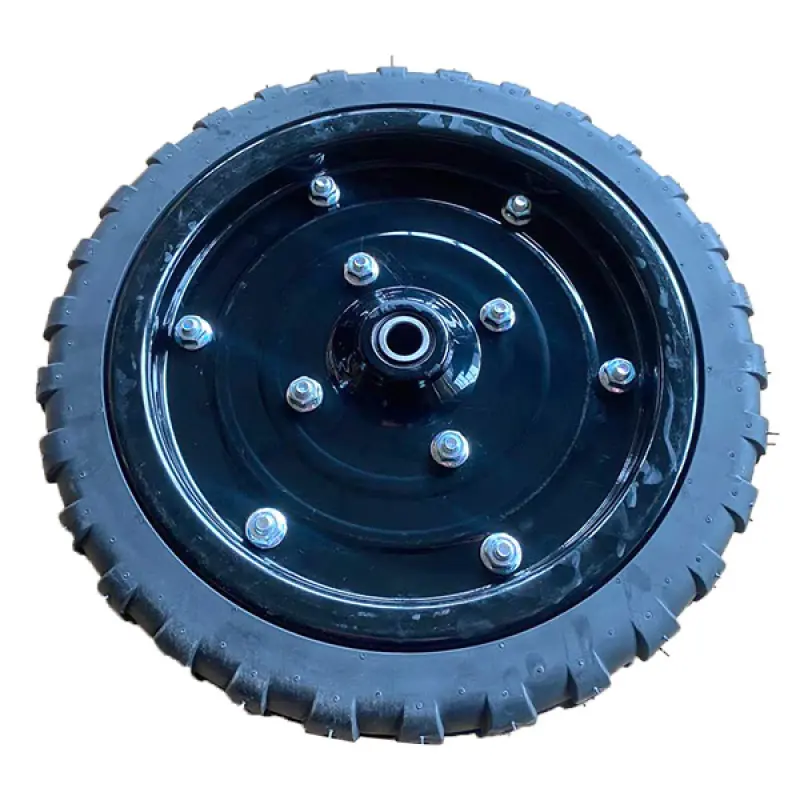

| Description | Koło dociskowe siewnika to element roboczy (koło) przeznaczony do zagęszczania gleby po siewie. Zapewnia ono bliski kontakt nasion z glebą, równomierną głębokość siewu i lepsze warunki kiełkowania. Wykonane z materiałów odpornych na ścieranie i naprężenia, ma precyzyjne wymiary siedziska i zapewnia stabilną pracę siewnika w różnych warunkach glebowych. |
| Royal Tiger | Royal Tiger Machinery — sprawdzone komponenty do maszyn rolniczych John Deere, Case IH, Claas, Horsch, New Holland, Massey Ferguson i innych producentów. Części zamienne produkowane są w oparciu o nowoczesne technologie, charakteryzują się precyzyjnymi wymiarami, wysoką odpornością na zużycie i w pełni odpowiadają oryginalnym częściom. Royal Tiger Machinery — optymalne rozwiązanie jako zamiennik części OEM, łączące niezawodność i przystępną cenę. Zamów części zamienne Royal Tiger Machinery w Art-Agro (import własny), aby zapewnić stabilną i nieprzerwaną pracę swojego sprzętu. |
Pressure Wheel/Distributor 198220 for Vaderstad
The 198220 is a pressure wheel/distributor with spikes used in Vaderstad seeders. It is mounted behind the coulter and serves to compact the soil, improve seed adhesion to the surface, and evenly distribute moisture. The spiked surface of the wheel effectively performs in various soil conditions, reducing the risk of empty spaces and promoting uniform emergence.
Technical Data
- Article: 198220
- Type: Pressure Wheel with Spikes
- Purpose: Soil Compaction Behind the Coulter
- Compatibility: Vaderstad Row Seeders (Tempo F, Tempo L, Tempo R, Tempo V, etc.)
- Diameter: ≈ 325 mm
- Width: ≈ 50 mm
- Material: Durable Metal
- Features: Spiked Surface for Better Soil Contact
- Condition: New Spare Part (OEM or high-quality equivalent)
Application
The pressure wheel with spikes 198220 is used in Vaderstad row seeders for:
compacting the soil after the furrow is created;
improving seed contact with the soil;
minimizing empty spaces and unevenness in the substrate;
increasing the uniformity and quality of seedlings in field conditions;
reducing the risk of soil drying on the surface.
Reviews
No reviews yet. Be the first!
You may also like